When you think of a gift basket, you probably picture a cozy, overflowing arrangement of goodies that feels like a hug in a cardboard box. But behind that warm feeling lies a carefully crafted design that can elevate a simple bundle into a memorable experience. This guide will walk you through the process of choosing a custom gift basket packaging design that not only showcases your products but also speaks directly to the recipient’s heart—and your brand’s voice.
Understanding the Purpose
Audience and Occasion
The first question to ask is: who will receive this basket, and for what occasion? A corporate thank‑you basket for a CEO will look very different from a birthday surprise for a child. Knowing the audience shapes every design decision—from color palette to material choice.
Brand Identity
Your packaging is the silent ambassador of your brand. As Paul Rand once said, “Design is the silent ambassador of your brand.” Think about the core values you want to communicate. A luxury brand may lean toward matte finishes and minimalist typography, while a boutique organic shop might embrace earthy textures and hand‑written fonts.

Key Design Elements
Shape & Size
The shape of the basket can set the tone. A classic rectangular box feels formal, whereas a round basket feels playful. Size matters too: a small, elegant box can be a status symbol, while a larger tote can feel generous and inclusive. Ask yourself: “Do I want the recipient to feel like they’ve been handed a treasure chest or a cozy hug?”
Materials & Sustainability
Materials are the building blocks of perception. Cardboard is inexpensive and recyclable, while kraft paper feels rustic. For eco‑conscious brands, consider bamboo, recycled PET, or biodegradable plastics. Sustainability isn’t just a buzzword; it’s a growing expectation. “We’re not just packaging a gift; we’re packaging our promise,” can be a Wellness gift baskets subtle yet powerful message.
Color & Typography
Colors evoke emotions. Warm hues like amber and terracotta suggest comfort, while cool blues and greens convey calmness. Typography should be legible but reflective of your brand’s personality. A serif font can signal tradition, whereas a sans‑serif can feel modern. Remember: consistency in color and type across all touchpoints reinforces brand recall.
Personalization Techniques
Custom Inserts & Labels
Custom inserts—like personalized thank‑you cards or product labels—add a layer of intimacy. A handwritten note can make the recipient feel seen, while a QR code linking to a brand story can deepen engagement. Think of these inserts as the Take a look at the site here secret sauce that turns a generic basket into a personalized experience.
The Power of Texture
Texture can be a game‑changer. A linen‑like finish on the outer layer feels premium, while a matte gloss can give a contemporary edge. Even the packaging’s tactile feel can influence the perceived value. “The first impression is often the last,” reminds many designers, and texture is the first touchpoint.
Budget & Production Considerations
Cost Breakdown
Every design choice has a price tag. Here’s a quick breakdown:
- Base material: $0.10–$0.50 per unit Printing: $0.15–$0.40 per unit Custom inserts: $0.05–$0.20 per unit Labor & assembly: $0.20–$0.60 per unit
Knowing these numbers helps you balance quality with cost.
Working with Designers
When collaborating with a designer, clarity is key. Provide a mood board, brand guidelines, and a clear brief. Ask for a prototype before mass production to catch any misalignments. A good designer will not only bring your vision to life but also suggest cost‑effective alternatives.
Final Checklist & Common Pitfalls
Quality Assurance
Before shipping, inspect a sample for:
- Print accuracy: colors match the brand palette Structural integrity: no weak spots that could break Insert placement: everything fits snugly
A small mistake can feel like a dent in the recipient’s trust.
Legal & Compliance
Ensure all packaging complies with regulations—especially if you’re shipping internationally. This includes proper labeling, material safety, and any required certifications. Skipping this step can lead to costly delays or fines.
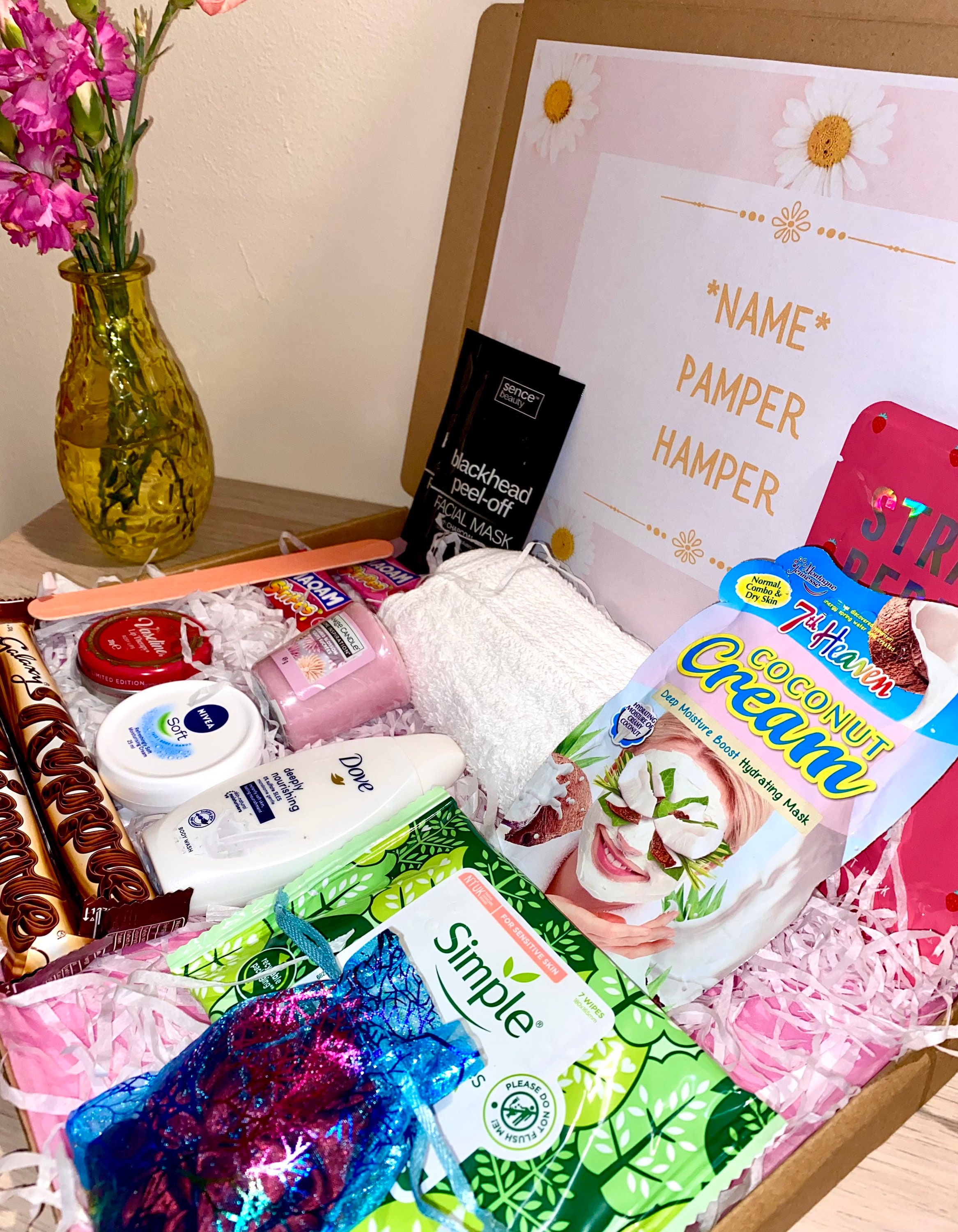
Making Your Selection Count
Choosing a custom gift basket packaging design is more than a logistical task—it’s an opportunity to tell a story. Think of your packaging as the first page of a book: it should intrigue, promise, and ultimately deliver. By aligning purpose, design elements, personalization, and budget, you’ll create a basket that feels both thoughtful and professional.
When you hand that beautifully packaged basket to someone, you’re not just giving a gift—you’re gifting an experience. And that, in the end, is what turns a simple act of generosity into a lasting memory.